Standard Single Pass Printer

Standard Single Pass Printing for Packaging Production


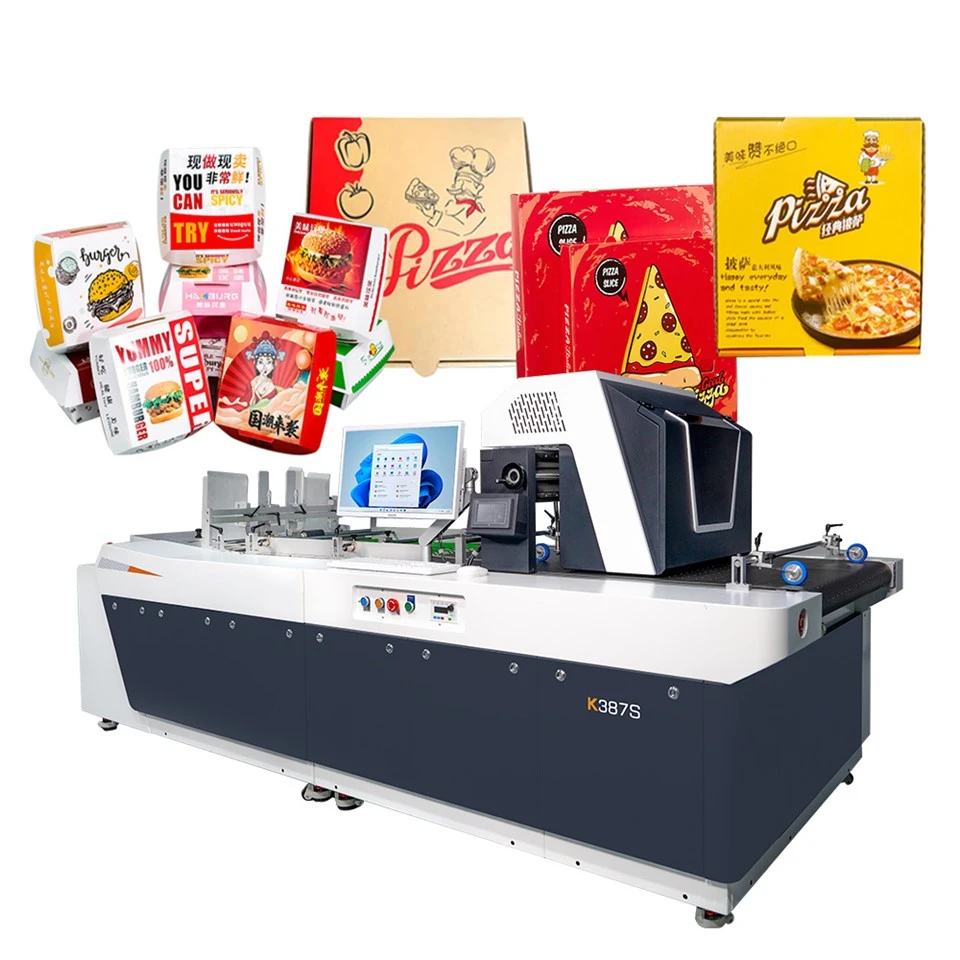
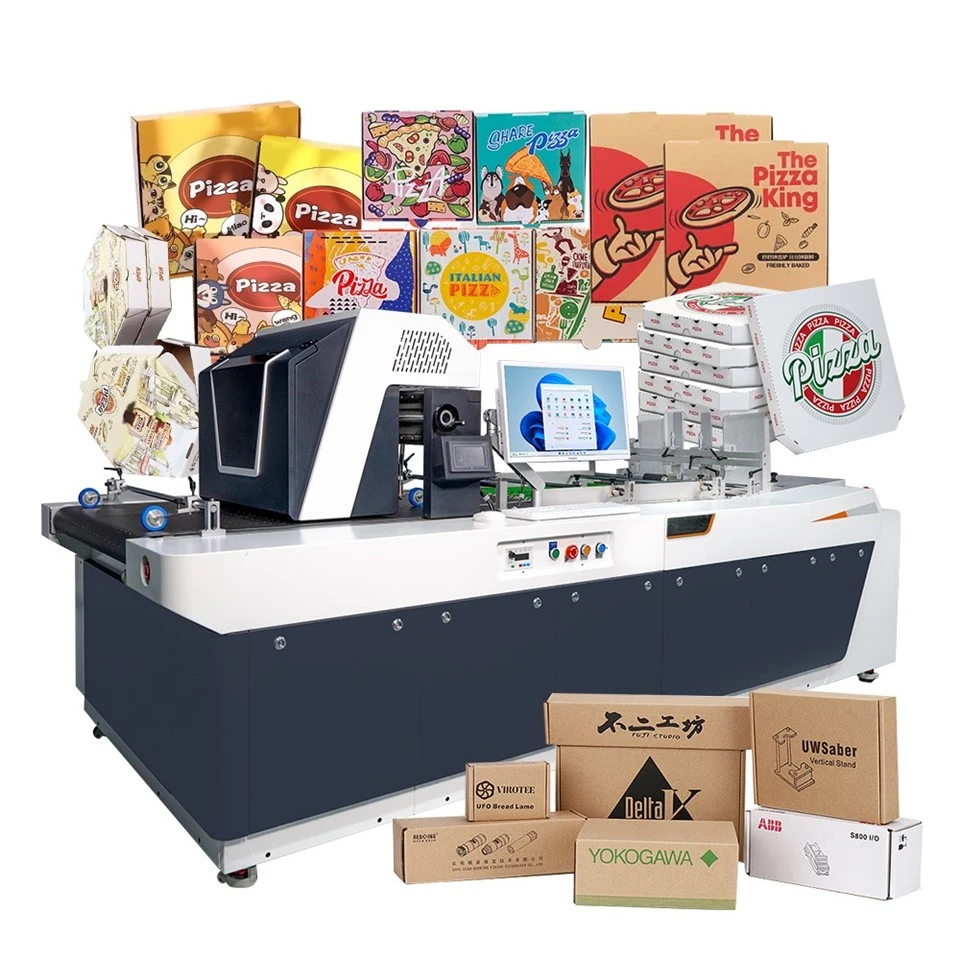
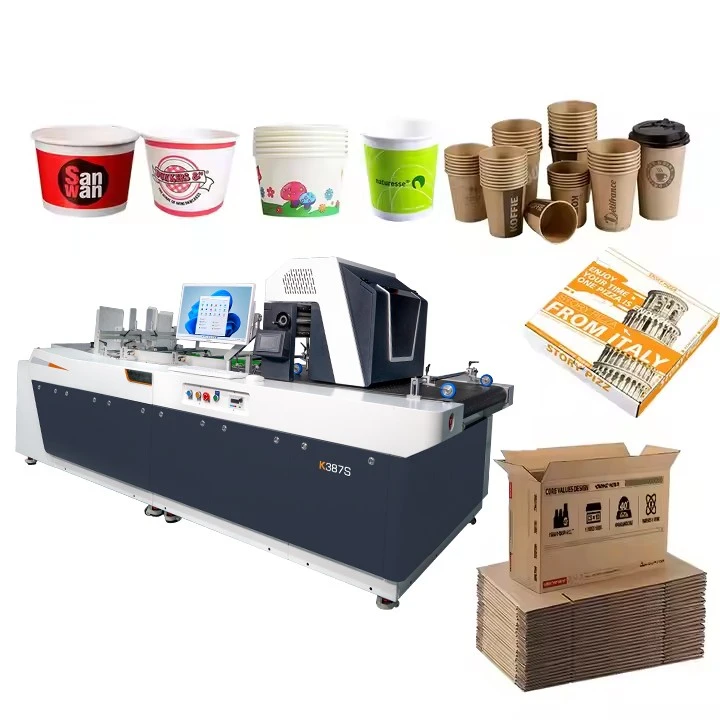
Kelier Standard Single Pass Printer is a digital printing solution for packaging manufacturers and printing businesses working with paper-based materials. Designed around a fixed printhead arrangement and continuous material movement through the printing area, it supports printing applications involving corrugated boxes, kraft paper, paperboard, and other compatible substrates. Compared with compact printing equipment, the Standard category is intended for a broader range of packaging production tasks. The appropriate configuration depends on material dimensions, print requirements, feeding conditions, and production line layout.


Single Pass Inkjet Printer for Corrugated Boxes


Standard Single Pass Printer for Packaging Applications

Standard Single Pass Printers can be considered for packaging operations that require direct digital printing on suitable paper-based materials.


Corrugated Boxes and Cartons: Print logos, product graphics, shipping information, and other packaging content on compatible corrugated materials.


Kraft Paper and Paper Bags: Support branding and printed information for retail bags, takeaway bags, and kraft paper packaging.


Paperboard Packaging: Print graphics and product information on suitable carton stock and flat paperboard packaging.


Variable Packaging Orders: Handle different artwork and customer designs without preparing a new printing plate for each job.


The suitable application depends on the substrate, print layout, and equipment configuration. Sample evaluation can help establish whether the printer meets the intended packaging requirements.


Single Pass Printing for Packaging Workflows
 

A single pass printing system uses a fixed printhead arrangement while the material moves through the printing area. The substrate passes through the print zone once, instead of requiring repeated printhead scanning across the surface.

This printing method is designed around material movement through the printing area. For packaging manufacturers, the feeding method, substrate positioning, and printing process need to work together to support consistent production.

Actual output depends on the printer configuration, print content, material handling, and operating conditions. Production planning should account for the complete workflow rather than printing speed alone.


Material Compatibility for Paper-Based Packaging

Paper-based packaging materials vary in absorbency, surface texture, thickness, rigidity, and flatness. These properties influence ink absorption, feeding stability, print positioning, and the final printed appearance.


Corrugated Board: Board structure, surface condition, and flatness can affect material movement and print positioning.


Kraft Paper: Paper absorbency and texture influence how printed graphics appear on the surface.


Paperboard and Carton Stock: Material stiffness and dimensions should match the feeding and printing requirements.


Other Permeable Materials: Suitability needs to be evaluated against the material properties and selected printer configuration.


Not every paper-based material is automatically compatible with every printer. Representative samples and intended print content should be evaluated before confirming production use.

Single Pass Industrial Printing System suppliers


Integrating Printing into Packaging Production

A Standard Single Pass Printer needs to fit the material flow and operating conditions of the packaging facility. The printing unit is only one part of the production process.

Material Feeding

Match the feeding method with substrate dimensions, orientation, and handling characteristics.

01

Positioning and Conveying

Maintain the required material alignment and print position as the substrate moves through the printing area.

02

Output Collection

Plan how printed materials will be collected, stacked, or transferred after printing.

03

Downstream Processing

Consider the next production steps, such as cutting, folding, gluing, or packaging.

04

Installation Layout

Check available floor space, operator access, material loading, and output handling.

05

The feeding and conveying arrangement should be evaluated against the actual packaging format and production line. Early layout planning helps identify potential integration issues before equipment installation.


Single Pass Industrial Printing System best


Artwork and Print Job Preparation

Digital printing allows packaging artwork to be changed between jobs without preparing a new printing plate. This can be useful for manufacturers handling different customer designs and packaging orders.


Artwork Files: Confirm the supported file formats and preparation requirements for the selected printer and software.


Print Layout: Match artwork dimensions and positioning with the substrate size and intended printing area.


Job Sequence: Organize print files according to the production order to simplify job changes.


Sample Approval: Review printed samples for artwork placement, readability, and appearance before production.


File compatibility, print layout, and workflow requirements should be confirmed during project planning.


Standard Single Pass Printer Solutions from Kelier


Chengdu Kelier Electronic Co., Ltd. was established in 2011 and focuses on digital printing equipment, inkjet printers, conveying and packaging equipment, and related printing solutions. Its products serve industries including printing, packaging, food and beverage, electronics, and other manufacturing sectors.


Kelier’s published company information lists more than 200 distributors across around 30 countries. Its product range includes single pass printing systems for packaging applications.


For a Standard Single Pass Printer project, the following information helps define the application and equipment requirements:


Packaging and Material: Provide the packaging type, substrate material, dimensions, surface characteristics, and available samples.


Printing Requirements: Identify artwork, print position, graphic coverage, and variable information.


Production Environment: Describe the feeding method, expected production volume, existing equipment, and installation space.


Kelier also lists OEM and ODM capabilities, including printhead configuration, ink system tuning, software customization, and mold design. The availability of these options should be confirmed for the specific project.


Frequently Asked Questions


Q: What materials can a Standard Single Pass Printer print on?

A: The category is intended for paper-based applications such as kraft paper, paperboard, corrugated materials, and other compatible substrates. Actual compatibility depends on surface properties, material dimensions, feeding conditions, and printer configuration.

Q: What is the difference between a Standard Single Pass Printer and a Mini Single Pass Printer?

A: The two categories serve different equipment and production requirements. Buyers should compare packaging applications, material dimensions, production workflow, and the available configurations. Specifications from one category should not be assumed to apply to the other.

Q: Can a Standard Single Pass Printer be integrated into an existing packaging line?

A: Integration depends on the production layout, material feeding method, print positioning, output handling, and downstream processes. These factors should be reviewed before selecting the equipment configuration.

Q: Can the printer handle different packaging designs?

A: Digital printing allows artwork to be changed between jobs without preparing a new printing plate. Print files, layout, and job settings still need to be prepared according to the production requirements.

Q: How can buyers confirm material compatibility?

A: Provide representative material samples, substrate dimensions, surface details, and intended print content. Testing helps evaluate material feeding, print positioning, and the appearance of the printed result.

Q: What information should buyers prepare before selecting a printer?

A: Prepare the material type and dimensions, intended packaging application, artwork, print position, production volume, feeding method, and installation space. These details help the manufacturer assess the required configuration.

Q: Should buyers conduct a sample printing test before ordering?

A: Sample testing is useful when material compatibility, print appearance, or positioning needs to be evaluated. Buyers should provide representative substrates and artwork so the test reflects the intended packaging application.

With abundant experience, we are one of the most reliable standard single pass printer manufacturers and suppliers in China. Please feel free to buy durable standard single pass printer made in China here from our factory. Welcome to contact us for customized service.

Paper Packaging Printing Machine, Single Pass Inkjet Printer for Corrugated Boxes, standard single pass printer

(0/10)

clearall