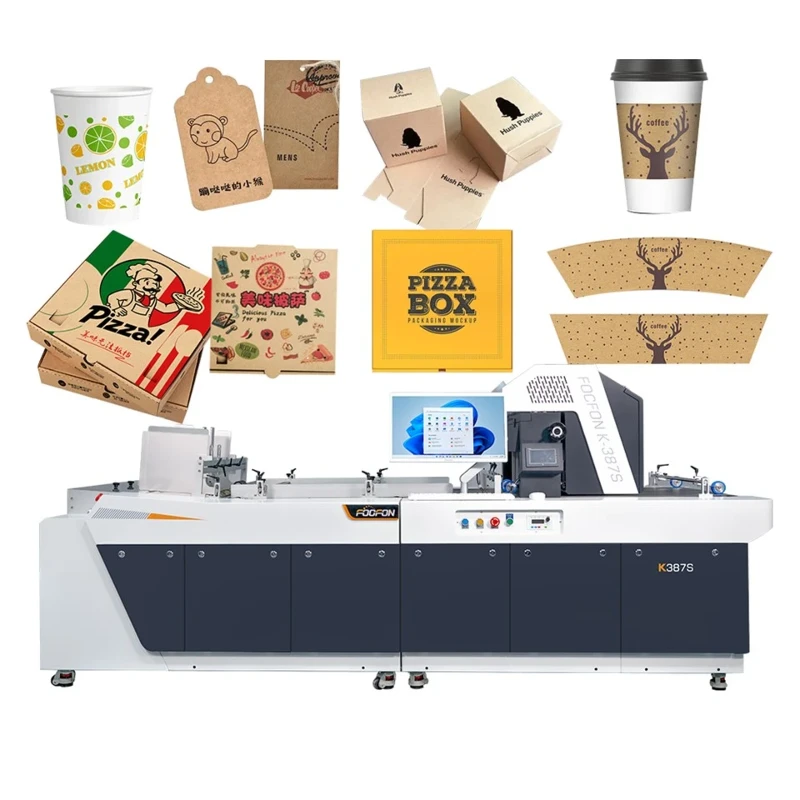
Corrugated Boxes and Cartons
Print product information, logos, graphics, and branding directly onto compatible corrugated board and carton materials. Printer selection depends on board dimensions, feeding requirements, and the required print area.
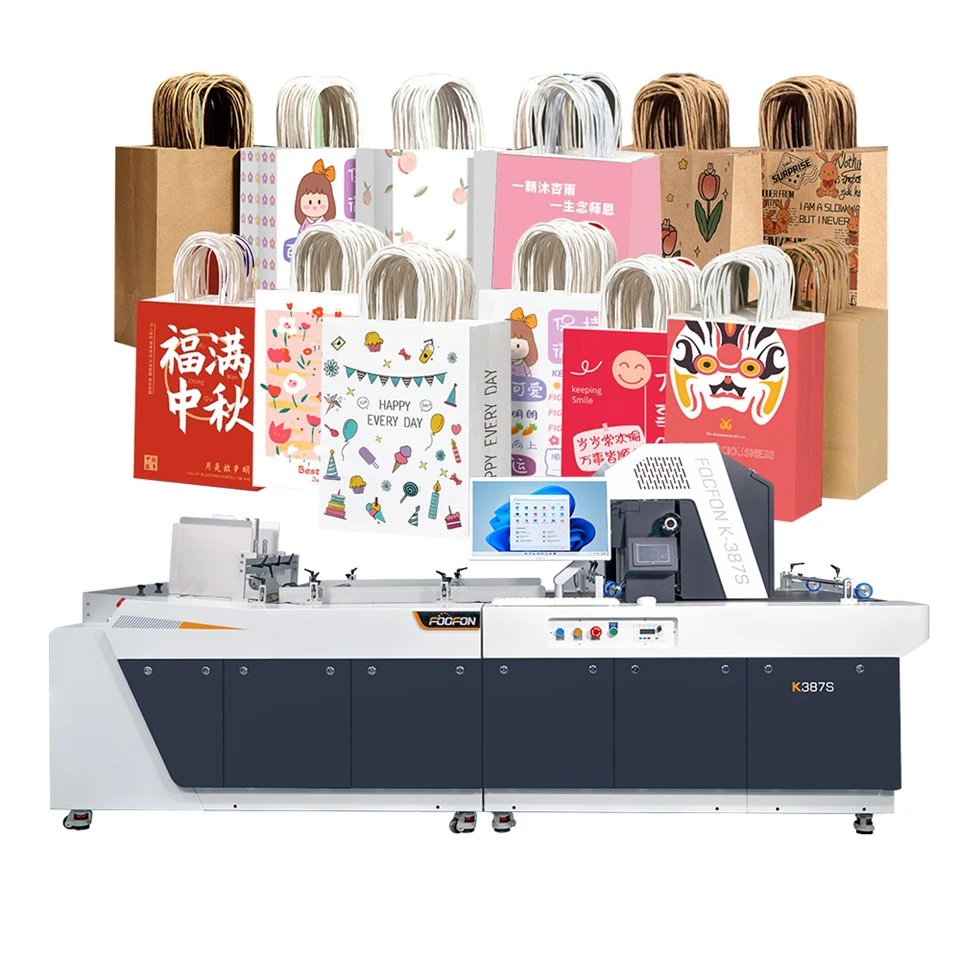
Kraft Paper and Paper Bags
Water-based digital printing can support branding and product information on compatible kraft paper and paper bags. Material absorbency, surface characteristics, and bag format should be considered when evaluating a printing solution.
Paper Cups and Packaging Blanks
Paper cups and packaging blanks require consideration of material shape, printable area, and positioning. The appropriate printer depends on the format of the material and how it is presented during printing.
Continuous Paper and Non-woven Materials
Selected continuous paper and non-woven materials can be considered for digital printing applications. Material width, surface properties, feeding stability, and ink compatibility should be evaluated before production.
Kelier’s water-based digital inkjet printer range includes different configurations for various material formats and production requirements.
|
Printer Type |
Application and Selection Considerations |
|
Mini Desktop Single Pass Printer |
Suitable for compact printing applications. Evaluate printable dimensions, material positioning, and available workspace. |
|
Mini Single Pass Printer |
Designed for compact-format printing requirements. Selection depends on material format, print area, and production needs. |
|
Standard Single Pass Printer |
Suitable for broader paper-based packaging applications. Consider feeding method, print width, and production workflow. |
|
Single Pass Carton Printer |
Intended for carton and cardboard printing workflows. Evaluate carton dimensions, feeding arrangements, and line layout. |
|
Roll-to-Roll Printer |
Used for compatible roll materials, including selected paper and non-woven substrates. Check web width, material tension, and handling requirements. |
Water-based ink performance varies according to the substrate and its surface characteristics. Material compatibility should be evaluated before selecting a printer.

Material Absorbency
Different substrates absorb ink at different rates, affecting color appearance, edge definition, and drying.
Surface Coating
Coated, treated, and untreated materials may respond differently to water-based ink. Surface compatibility should be assessed for the intended application.


Drying Requirements
Drying performance depends on the substrate, ink coverage, printing conditions, and downstream processing.
Material Testing
Representative samples help evaluate image quality, ink behavior, drying, and feeding performance under practical conditions.

Digital printing can support packaging production where artwork, product information, and order quantities change between jobs.
Multiple Artwork Designs
Different graphics and layouts can be prepared for separate print jobs without requiring a new printing plate for every design.
Short-Run Orders
Digital printing may be suitable for orders with changing quantities or artwork. Actual production cost depends on order volume and operating conditions.
Variable Product Information
Product details and graphics can be changed between jobs when supported by the printer software and workflow.
Job Preparation
Review artwork, print dimensions, material settings, and job sequence before production to reduce avoidable interruptions.
Printer integration depends on the material format, handling method, and equipment used before and after printing.
Material Feeding: Feeding arrangements must match the substrate format and stability. Sheet-fed and roll-fed materials require different handling methods.
Positioning and Conveying: Material alignment and movement affect print placement. The printer and conveying system should be evaluated together.
Downstream Processing: Consider how printed materials move to cutting, folding, laminating, or other finishing processes.
Installation Layout: Available space, material loading, operator access, and maintenance clearance should be reviewed before installation.

Preparing the following information helps identify a suitable printer configuration and evaluate its compatibility with your production requirements.
Substrate Details: Provide the material type, thickness or weight, surface treatment, and format.
Print Dimensions: Specify the required print width, length, and position on the material.
Artwork Files: Share representative designs, including logos, text, graphics, and color requirements.
Production Volume: Explain typical order quantities, expected output, and how frequently jobs change.
Existing Workflow: Describe current feeding, conveying, and finishing processes, including equipment that needs to work with the printer.
Installation Conditions: Provide available floor space, material loading arrangements, and relevant production-line information.
With abundant experience, we are one of the most reliable water-based digital inkjet printer manufacturers and suppliers in China. Please feel free to buy durable water-based digital inkjet printer made in China here from our factory. Welcome to contact us for customized service.